
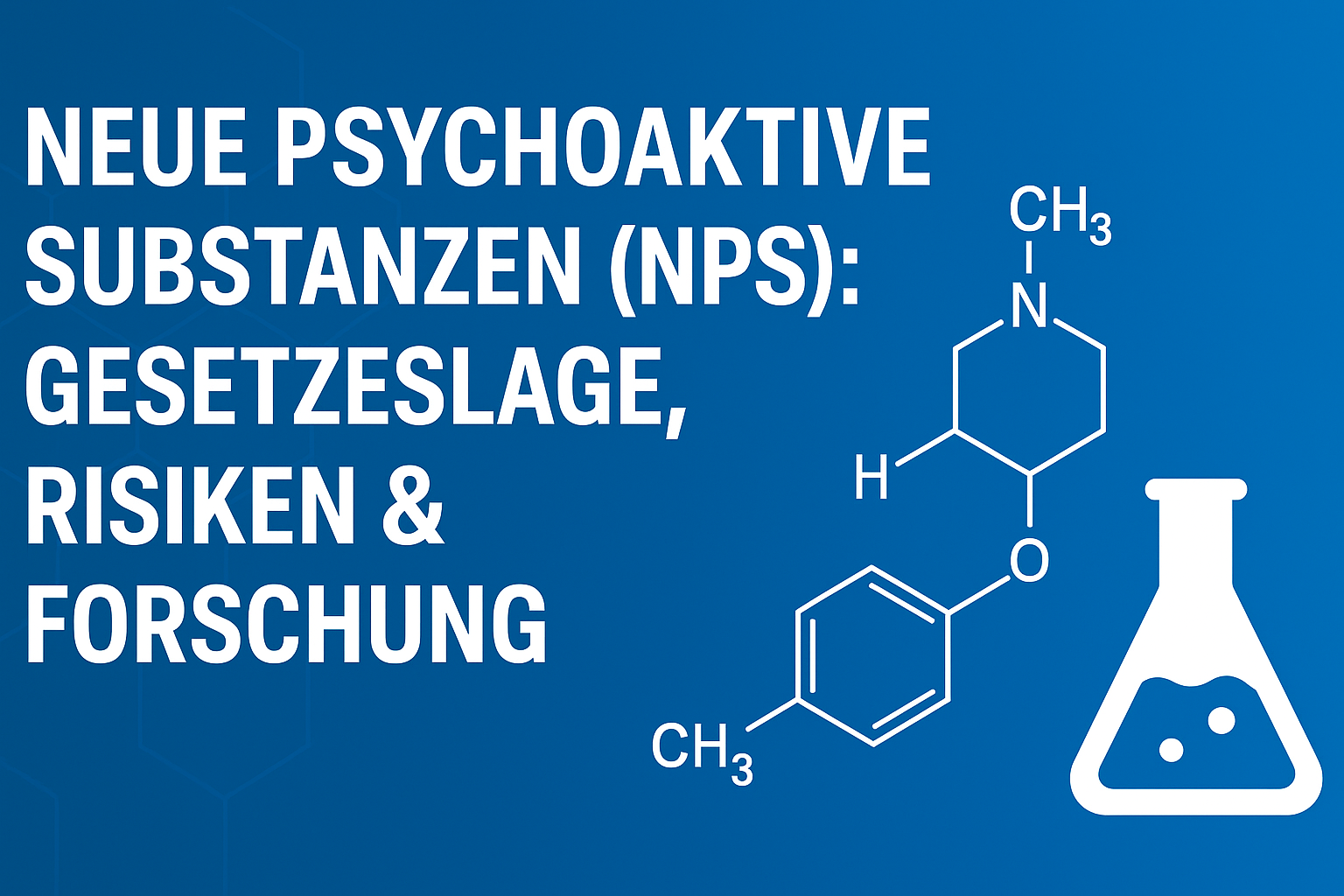
New psychoactive substances (NPS): legal situation, risks & research
Introduction
Newpsychoactive substances, often asNPSis increasingly attracting attention worldwide. These substances are synthesized to imitate or modify existing drugs while exploiting legal grey areas. They are often available in powder, capsule or liquid form and are used for research purposes in chemical or pharmaceutical research. But despite scientific relevanceRisks for consumersand legal restrictions high. In this article we will examineLegal situation, potential risksand currentResearch on NPS.
What are new psychoactive substances (NPS)?
NPSinclude a variety of substance classes, including:
-
Cannabinoids(synthetic variants of THC)
-
Stimulants(e.g. Cathinone or amphetamine derivatives)
-
Psychedelics(for example tryptamines or phenethylamines)
-
Opioid analogues(synthetic opiates)
Their main feature: they imitate the effect of classical drugs while they are chemically modified so that they do not initially fall under existing drug laws. This makes it forResearch and laboratory work interestingbut holdsHealth risksif they are consumed outside controlled environments.
Legal situation in Germany and Europe
The regulation of NPS is complex asnew molecules regularly come to market. In Germany, the trade and possession of many NPS falls under theNarcotics Act (BtMG), especially if the substance is classified as particularly dangerous.
Important points:
-
Appendix I BtMG: Prohibitions for manufacturing, trade and possession (without authorisation).
-
Appendix II: Non-prescribed substances, but allowed research or industrial use.
-
Appendix III BtMG: Prescription substances under strict control.
TheEU-wide regulationtries to control new substances faster. TheEarly Warning System (EWS)- EU initiative monitors NPS trends and informs member states about new dangerous substances.
Information for researchers: The legal acquisition and use of NPS is in Germany and Europestrictly regulatedand only allowed for laboratory or research purposes. Websites likerchemmart.comoffer NPSexclusively for scientific researchnot for human consumption.
Risks and Side Effects of NPS
Risks vary greatly between classes of substances, but there are some common dangers:
-
Unknown purity and dosage
Many NPS are synthesized in laboratories, but purity can vary greatly in the "street" version. This increasesOverdose Risks. -
Acute health risks
-
cardiovascular problems
-
Mental disorders such as anxiety, paranoia or hallucinations
-
nausea, spasms or respiratory problems
-
-
Long-term effects
Research on long-term consequences is limited. Some NPS canneurotoxicorcognitive functionin the long term. -
Legal consequences
Ownership or sale outside research canprosecution,.
In summary:NPS poses high risks, especially outside controlled laboratory environments.
Scientific research with NPS
NPS plays an increasingly important role inchemical, pharmaceutical and neuroscience research:
-
Neurochemical studies: Research into the effects of substances on neurotransmitter systems.
-
Pharmacological tests: Investigation of active substance interactions and development of new therapies.
-
Analytical Chemistry: Identification, purity testing and structural clarification of new molecules.
rchemmart.comsupports laboratories withhigh purity NPS for research purposes, includingsynthetic cannabinoids, phenethylamines, tryptamines and cathinones. In this case,Purity, quality and safe deliveryrespected.
Practical tips for safe handling in research
-
Only for research purposes: NPS should never be used for human consumption.
-
Protective equipment: Gloves, safety glasses and laboratory coats are mandatory.
-
Clean storage: Keep cool, dry and light-proof.
-
Documentation: Each substance must be correctly labeled and recorded in the laboratory book.
-
Legal examination: Before order, check whether the substance is allowed after BtMG.
Future perspectives
The number of new substances is growing continuously. EU-wideMonitoring systemsand scientific studies help,Detecting risks early. At the same time, research with NPS allows:
-
Better toxicological data
-
Development of new medicines
-
Safer analysis in laboratory environments
Platforms likerchemmart.comfacilitate access to high-quality substances for researchers and laboratories who want to advance these developments.
Conclusion
New psychoactive substances (NPS)are a complex issue betweenLaw, Risk and Research. Their use outside the laboratory poses considerable risks, while scientific research provides valuable insights.
It is essential for laboratories and researchers,NPS only legally and under controlled conditionsto use.rchemmart.comprovides a reliable source forhigh purity NPS for research purposes, with quick delivery and safe handling.

